Applications of Polyamide Resins in Printing Inks and Adhesives
Polyamide resins are used in selected printing ink and adhesive formulations to support adhesion, flexibility, gloss and film formation. Learn how grade, substrate, formulation and process conditions shape their application.
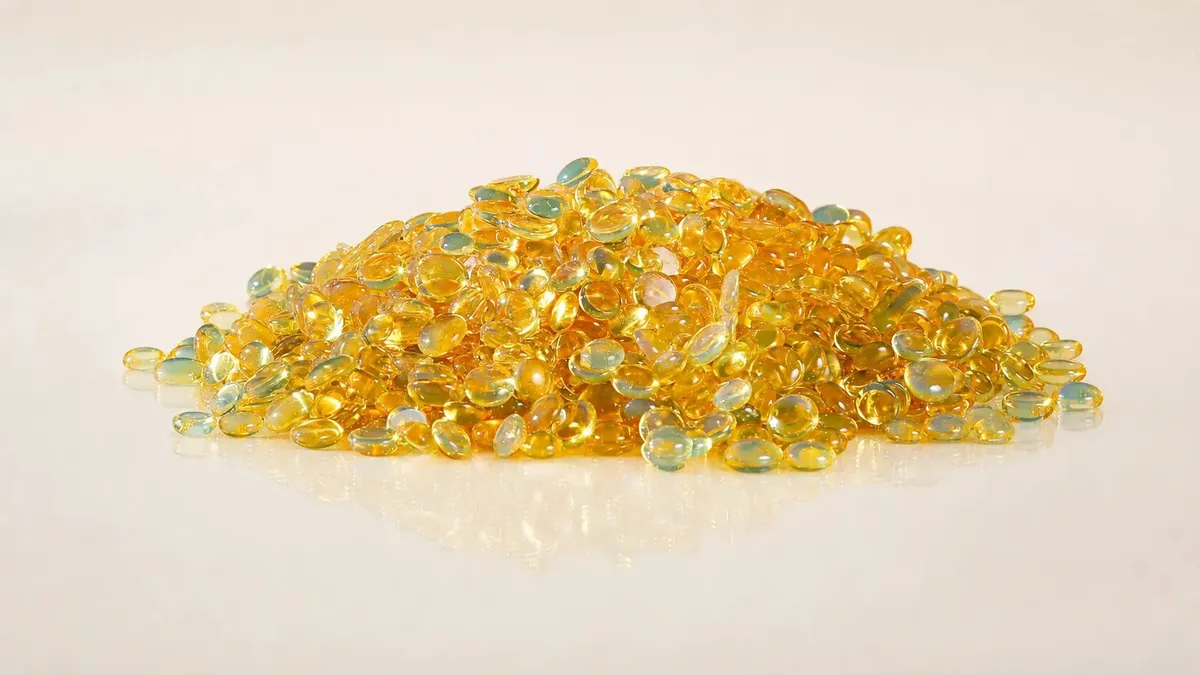
Polyamide resins are widely used in printing inks and adhesive formulations because they can support adhesion, flexibility, gloss and reliable film formation. As packaging, labeling and flexible printing applications continue to evolve, manufacturers need resin systems suited to their substrates, processes and performance requirements.
From flexible packaging to specialty bonding systems, polyamide resin applications depend on the resin grade, solvent compatibility, formulation and end-use conditions. Selecting an appropriate resin can help improve print quality, bonding performance and production consistency.
What are polyamide resins?
Polyamide resins are polymeric materials used in industrial formulations, including printing inks, coatings and adhesives. Their properties vary by chemical structure, molecular weight and grade. Depending on the formulation, they can contribute to adhesion, flexibility, gloss and resistance to handling.
In printing inks, polyamide resins are commonly considered for selected solvent-based systems, particularly those used in packaging and flexible substrates. In adhesives, suitable grades can contribute to bonding performance and flexibility when combined with compatible ingredients.
The most suitable application depends on the intended substrate, printing or bonding process, drying conditions and finished-product requirements. Manufacturers should review technical data and carry out application-specific trials before selecting a resin.
1. Polyamide resin applications in printing inks
Printing inks must deliver consistent transfer, controlled drying, good print appearance and adhesion to the intended substrate. The binder helps form the ink film and influences its performance after printing, making resin selection an important part of formulation.
Flexible packaging printing
An important use for selected polyamide resins is in inks for flexible packaging. Packaging materials may include treated films and other flexible substrates that need a balance of printability, adhesion and flexibility.
A suitable polyamide ink resin can help formulators develop systems for packaging, subject to compatibility with pigments, solvents, additives and the substrate. Testing matters: surface treatment, printing conditions and the final packaging structure can all influence performance.
Solvent-based printing inks
A solvent-based ink resin must be compatible with the solvent blend and the other formulation components. Polyamide resins are used in certain solvent-based printing systems where their properties suit the required print and production characteristics.
These systems may be evaluated for gravure and flexographic applications. Resin choice can affect viscosity, drying behaviour, printability and film performance. Formulators should assess the complete ink system rather than selecting a resin on the basis of a single property.
Print gloss and appearance
Gloss is an important consideration for packaging graphics, labels and decorative printing. An ink gloss resin can contribute to the finished appearance, but final gloss also depends on pigment dispersion, substrate smoothness, ink-film thickness and drying conditions.
Appearance-focused formulations need trials that assess gloss alongside adhesion, rub resistance and print consistency. A glossy finish alone does not establish that an ink meets its full performance requirements.
Fast-drying printing processes
In high-speed printing, drying behaviour can affect productivity and print quality. A resin for fast-drying inks should be selected as part of a formulation designed for the intended press speed, solvent system and drying equipment.
Resin selection can influence drying and film formation, but results also depend on solvent volatility, ink viscosity, airflow, temperature and substrate. Proper trials help establish whether the ink dries adequately without compromising transfer or adhesion.
2. Polyamide resin applications in adhesives
Adhesive formulations require a suitable balance of tack, cohesion, flexibility and bonding performance. The resin must work with the other components and be appropriate for the substrates and service conditions.
Flexible bonding systems
Some polyamide resin applications involve adhesive systems where flexibility is important. Materials may bend, fold or move in use, so the adhesive needs to retain suitable bonding performance under the intended conditions.
Flexible resin applications may include selected packaging-related and industrial bonding systems. The appropriate resin depends on the adhesive technology, substrate combination, processing method and performance specifications.
Bonding strength and durability
Resin bonding strength depends on several factors, including resin chemistry, surface preparation, adhesive thickness, curing or drying conditions and the materials being joined. A resin that performs well on one substrate may not deliver the same result on another.
For this reason, polyamide resins in adhesives should be validated using tests relevant to the end use, such as peel, tack or bond-strength evaluations. Testing under expected storage, temperature and handling conditions provides a more reliable picture of performance.
Understanding adhesive resin types
Different adhesive resin types are designed for different bonding requirements. Polyamide resins may suit selected adhesive formulations, while other systems may use polyurethane, epoxy, acrylic or other resin technologies.
The right choice depends on substrate compatibility, required flexibility, resistance properties, application method and regulatory or end-use requirements. Comparing resin options using the same test conditions helps manufacturers make a more informed selection.
3. Other resin technologies and formulation considerations
Not every printing or adhesive application suits the same resin chemistry. Comparing resin families helps manufacturers identify a system that meets their performance and processing needs.
Water-based ink systems
A water-based ink resin must be designed for compatibility with water and the formulation's other ingredients. Water-based systems may be selected to meet specific process, substrate or emissions objectives. A conventional polyamide resin should not automatically be assumed suitable: the specific grade and formulation technology must support the application.
UV-cured systems
A UV-cured resin forms a film through ultraviolet-initiated curing chemistry. These systems differ from conventional solvent-based polyamide ink systems in their curing mechanism and formulation requirements. For a UV-curable project, confirm that the proposed resin is specifically compatible with the curing system rather than assuming interchangeability.
Improving adhesion
Resin adhesion enhancements can involve choosing a suitable binder, improving substrate treatment, adjusting formulation components or using an appropriate adhesion promoter. The best approach depends on the substrate and the source of the adhesion problem.
Before making formulation changes, investigate surface energy, contamination, treatment level and ink or adhesive compatibility. Controlled trials can help identify which factor most effectively improves adhesion.
Eco-friendly ink development
Demand for eco-friendly inks has encouraged manufacturers to evaluate lower-emission formulations, efficient production processes and materials aligned with their environmental objectives. The environmental profile of an ink depends on the complete formulation and manufacturing process, not just one resin ingredient.
When assessing sustainability, consider solvent selection, emissions, energy use, waste, packaging requirements and relevant product regulations. Environmental claims should be supported by appropriate product data and testing.
4. Key factors when selecting a resin
Evaluate the material against the actual application and production requirements:
- Substrate compatibility: Confirm that the resin system is appropriate for the film, paper, foil or other material.
- Formulation compatibility: Review interactions with solvents, pigments, additives and other binders.
- Performance requirements: Define targets for adhesion, gloss, flexibility, drying and resistance.
- Production conditions: Consider press speed, drying equipment, application method and processing temperature.
- Testing and quality control: Use repeatable trials and relevant performance tests before commercial production.
- Technical support: Review product documentation and consult the supplier's technical team for grade selection and application guidance.
These considerations help manufacturers assess polyamide resin applications against operating requirements rather than relying on general property descriptions alone.
5. Choosing a polyamide resin supplier
A reliable resin supplier should provide clear technical documentation, consistent product quality and guidance on application suitability. Review product specifications, recommended uses, handling requirements and compatibility information before finalizing a grade.
Uniform Synthetics offers resin solutions for industrial applications, including materials for printing inks and related formulation needs. Explore polyamide resins for inks, browse the wider printing ink resin range, or use the product finder to explore available options.
For application-specific enquiries, contact the Uniform Synthetics team to discuss the intended use and relevant product requirements.
Conclusion
Polyamide resins can play an important role in selected printing ink and adhesive formulations, where suitable grades may contribute to adhesion, flexibility, gloss and film performance. Their suitability depends on the resin grade, formulation, substrate and manufacturing process.
Understanding polyamide resin applications helps manufacturers compare materials, define performance requirements and plan appropriate testing. Whether developing packaging inks or evaluating an adhesive formulation, careful resin selection and application trials are essential for consistent results.
Frequently asked questions
What are polyamide resin applications in printing inks?
Polyamide resin applications include selected solvent-based printing inks, particularly formulations developed for packaging and flexible substrates. Suitability depends on the resin grade and the complete ink formulation.
Why is polyamide resin used for inks?
In suitable ink systems, polyamide resin may contribute to adhesion, gloss, flexibility and film formation. The final properties depend on the formulation and substrate.
Can polyamide resins be used in adhesives?
Certain polyamide grades can be used in selected adhesive formulations. The appropriate grade depends on the bonding requirements, substrates and adhesive technology.
What is the difference between water-based and solvent-based ink resin?
Water-based ink resin systems are formulated for compatibility with water, while solvent-based ink resin systems use suitable organic solvent blends. Each requires compatible resin chemistry and application testing.
How can manufacturers improve resin adhesion?
Review resin selection, substrate preparation, surface treatment and formulation compatibility. Testing helps determine which changes improve adhesion for the intended application.
Are polyamide resins suitable for flexible packaging?
Selected polyamide resin grades may suit certain flexible packaging ink systems. Validate the final choice for the specific substrate, printing process and end-use requirements.